How AI and IoT Are Revolutionizing Hydroponics
3 MIN READ

August 2, 2026
Here is the text extracted from the image:
With the rising need for sustainable and efficient farming, hydroponics is quickly gaining popularity in India. This innovative method of growing plants without soil offers several advantages, such as increased crop yields, lower water consumption, and the ability to grow food throughout the year. However, advancements in technology, particularly Artificial Intelligence (AI) and the Internet of Things (IoT), are further transforming hydroponics. By automating key processes and optimizing growing conditions, AI and IoT are helping farmers achieve even better results, making hydroponics a game-changer in India’s varied agricultural landscape.
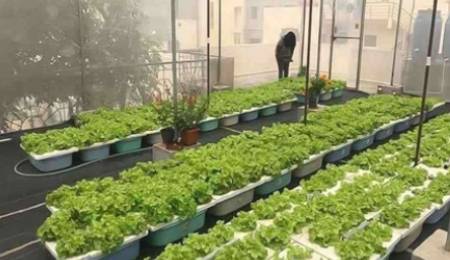
Hydroponics is transforming modern agriculture by offering a soil-free, resource-efficient method of farming that addresses challenges like water scarcity, declining soil fertility, and unpredictable weather conditions in India. This innovative technique allows for higher yields, reduced water consumption, and year-round cultivation, making it a promising solution for future food security. The integration of Artificial Intelligence (AI) and the Internet of Things (IoT) is further enhancing hydroponic farming by enabling real-time monitoring, automated nutrient management, and precise environmental control. Smart sensors track factors like temperature, humidity, and pH levels, ensuring optimal plant growth with minimal human intervention. By combining technology with sustainable farming, AI-powered hydroponics is emerging as a game-changer, making agriculture more productive, efficient, and scalable for both small-scale farmers and commercial growers.
Caption: AI and IoT are transforming hydroponics by bringing automation, precision, and efficiency to modern farming. With real-time monitoring and smart decision-making, these technologies ensure optimal plant growth while conserving resources. The future of sustainable agriculture in India is now driven by intelligent, data-powered hydroponic systems.
Artificial Intelligence (AI) and the Internet of Things (IoT) are revolutionizing hydroponic farming in India by making it more efficient, precise, and sustainable. AI-powered systems analyze data from sensors placed in hydroponic setups to monitor key factors like temperature, humidity, light intensity, and nutrient levels in real time. With machine learning algorithms, these systems can predict plant needs, detect diseases, and recommend optimal adjustments, ensuring healthier crops and higher yields. IoT devices, such as automated pumps and climate control systems, work alongside AI to maintain ideal growing conditions without requiring constant human intervention. This level of automation reduces labor costs, minimizes errors, and ensures consistent production throughout the year.
In India, where farming is often affected by unpredictable weather and resource constraints, AI and IoT-driven hydroponics offer a reliable and scalable solution. Smart hydroponic setups can be remotely monitored and controlled via mobile applications, allowing farmers to make data-driven decisions from anywhere. These technologies also help in water conservation by precisely regulating nutrient solutions, reducing wastage, and ensuring plants receive the exact amount of water and nutrients they need. By integrating AI and IoT, hydroponics is becoming more accessible to both small-scale and commercial farmers, paving the way for a more sustainable and technologically advanced agricultural future in India.
The integration of AI and IoT in hydroponics is not just about automation but also about enhancing decision-making through data analytics. AI-driven algorithms analyze vast amounts of data collected from IoT sensors to identify growth patterns, detect early signs of plant stress, and optimize nutrient delivery for maximum yield. IoT-enabled devices, such as smart irrigation systems and automated climate controllers, ensure that plants receive the precise amount of water, light, and nutrients needed for optimal growth. This level of precision reduces resource wastage, lowers operational costs, and improves overall efficiency. Additionally, AI-powered predictive analytics help farmers anticipate potential challenges, such as pest infestations or nutrient deficiencies, allowing them to take proactive measures. As hydroponics continues to expand in India, AI and IoT are making it more scalable and accessible, empowering farmers to produce high-quality crops with minimal environmental impact.
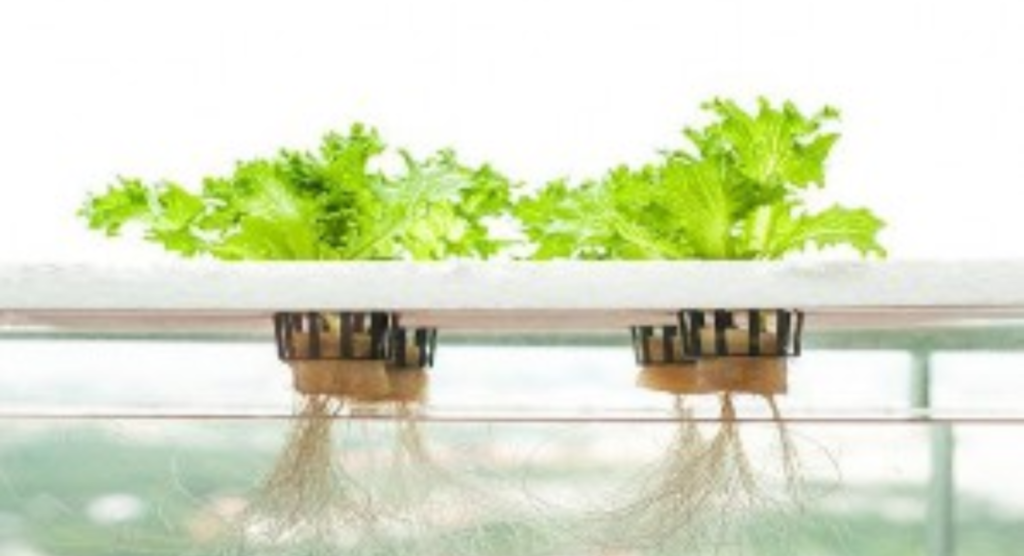
Caption: AI-driven hydroponics is redefining agriculture by optimizing plant growth with real-time monitoring and automation. By integrating smart technology, farmers can achieve higher yields with minimal resources, making farming more efficient and sustainable.



Lorem ipsum dolor sit amet, consectetur adipiscing elit, sed do eiusmod tempor incididunt ut labore et dolore magna aliqua.Lorem ipsum dolor sit amet, consectetur adipiscing elit, sed do eiusmod tempor incididunt ut labore et dolore magna aliqua.Lorem ipsum dolor sit amet, consectetur adipiscing elit, sed do eiusmod tempor incididunt ut labore et dolore magna aliqua.
Venkateswar Reddy Bojja is a technologist and innovator with an M.E. in Computer Science & Engineering, specializing in integrated advanced technology into modern agriculture. As a dedicated researcher in agriculture and artificial intelligence, he develops AI-driven solutions that enhance productivity, optimize resources, and improve crop quality. Over the years, he has designed and implemented high-performance hydroponic and polyhouse systems tailored to diverse crops and climate.
An expert in designing and building polyhouse and hydroponic systems, he consults and trains across India and abroad, equipping growers with sustainable, climate-smart solutions and leading Vertical Green Farms to deliver high-yield, future-ready results.
Vertical Green Farms: Empowering Urban Farmers to Grow Fresh, Sustainable Produce in Limited Spaces – Bringing Agriculture Closer to You, One Vertical Garden at a Time.Vertical Green Farms Services supports urban farmers by offering innovative, space-efficient, and low-cost solutions tailored for city environments. Specializing in vertical farming, hydroponics, and urban greenhouse systems, Vertical Green Farms helps urban growers maximize limited space while promoting sustainable, pesticide-free food production. By providing access to modern farming technology and expertise, Vertical Green Farms empowers city dwellers to grow fresh, healthy produce locally, contributing to greener cities and reducing the carbon footprint of food transportation.
Vertical Green Farms: Empowering Urban Farmers to Grow Fresh, Sustainable Produce in Limited Spaces – Bringing Agriculture Closer to You, One Vertical Garden at a Time.Vertical Green Farms Services supports urban farmers by offering innovative, space-efficient, and low-cost solutions tailored for city environments. Specializing in vertical farming, hydroponics, and urban greenhouse systems, Vertical Green Farms helps urban growers maximize limited space while promoting sustainable, pesticide-free food production. By providing access to modern farming technology and expertise, Vertical Green Farms empowers city dwellers to grow fresh, healthy produce locally, contributing to greener cities and reducing the carbon footprint of food transportation.