Tomato Harvesting in Hydroponics


Introduction
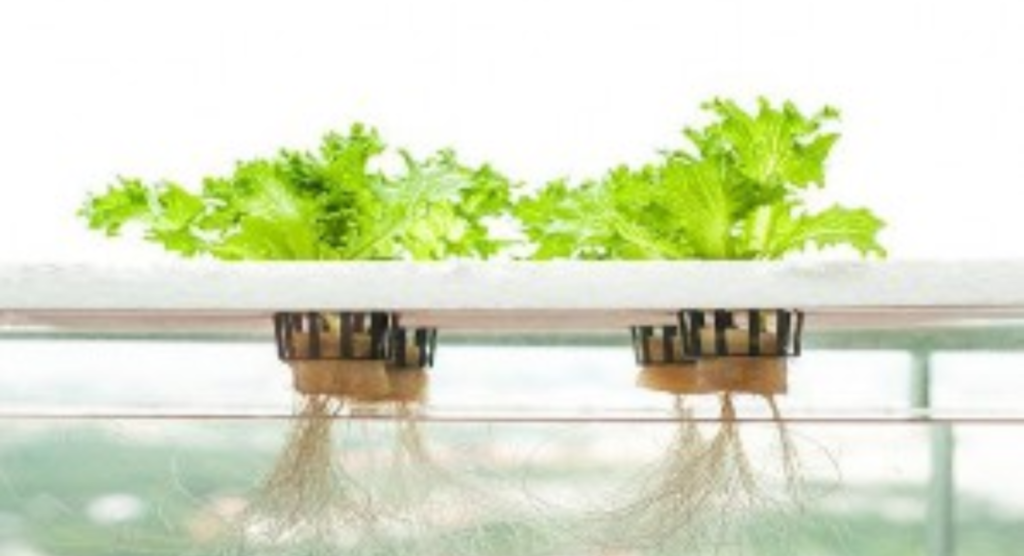
Tomato (Solanum lycopersicum) is one of the most popular and widely consumed vegetables around the world. It is rich in nutrients and has high market value. Due to growing cities, less farming land, and water shortage, modern methods like hydroponics are becoming popular. Hydroponics is a method of growing plants without soil, using water mixed with nutrients.
In this system, grow bags filled with coco peat or perlite are used to support the plant roots. This method saves space, uses less water, and gives better yield. Tomatoes grow well in hydroponic systems because they grow fast and respond well to nutrient control.
At Sri Sai Vertical Green Farms, tomatoes are grown using grow bags in a vertical setup. This helps in growing fresh tomatoes in limited space with clean and eco-friendly practices. This review explains the steps, benefits, and future of growing tomatoes in grow bags using hydroponics.
System Suitability for Hydroponic Tomato Farming
Growing Media:
The selection of growing media impacts water retention, aeration, and root anchorage. Common choices include:
- Coco Peat: Excellent moisture retention and root aeration.
- Perlite: Enhances drainage and reduces compaction.
- Vermiculite: Improves water-holding capacity and nutrient exchange.
Hydroponic Growing Mediums
- Rockwool
- LECA
- Coco Coir
- Perlite
- Rice Hulls
- Floral Foam
- Vermiculite
- Oasis Cubes
- Growstone Hydroponic Substrate
Step by Step Growing Process from Seed to Harvest
1. Seed Selection & Sowing
- Use high-yield, disease-resistant seeds.
- Sow seeds in coco peat or rockwool under warm, indirect light.
2. Nursery Management
- Maintain seedlings with mild nutrients, proper light, and transplant after 20–25 days.
3. Grow Bag Preparation
- Fill 25–30 L bags with coco peat–perlite mix.
- Adjust pH to 5.5–6.5.
4. Transplanting
- Carefully place healthy seedlings into pre-wet media.
- Avoid damaging the roots.
- Provide adequate light.
5. Nutrient Management
- Begin fertigation with balanced nutrients.
- Monitor EC (1.8–2.5) and pH (5.5–6.5) daily.
6. Training & Pollination
- Support vertical growth.
- Prune suckers.
- Assist pollination manually or with bumble bees.
7. Pest & Climate Control
- Use traps and biopesticides.
- Maintain temperature at 20–25°C and humidity at 60–70%.
8. Harvesting
- Pick ripe red tomatoes 70–85 days after transplanting.
- Handle fruits gently to avoid bruises.